Things to do in Pigalle, Paris: a guide to a neighborhood of art, cabarets and Montmartre

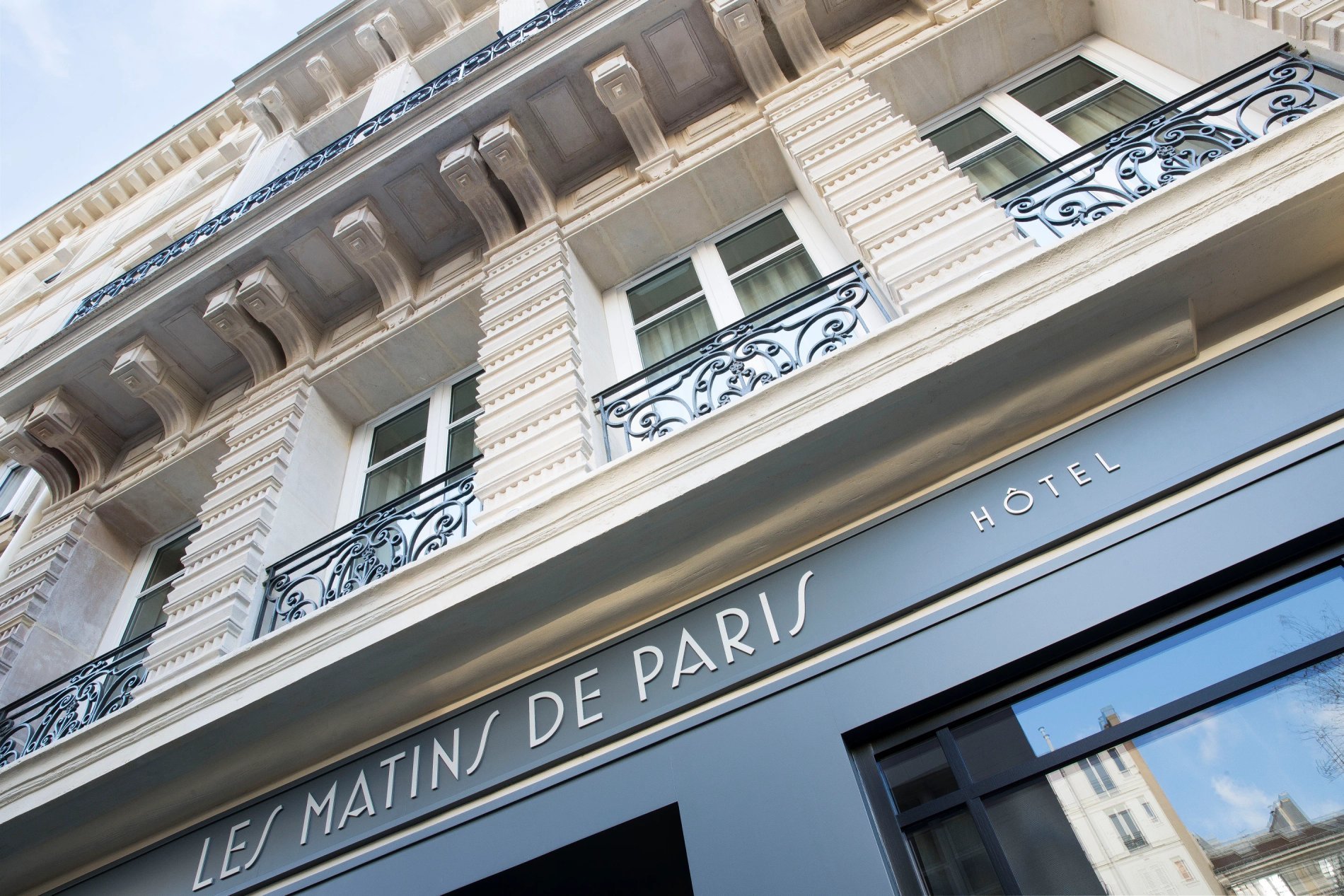
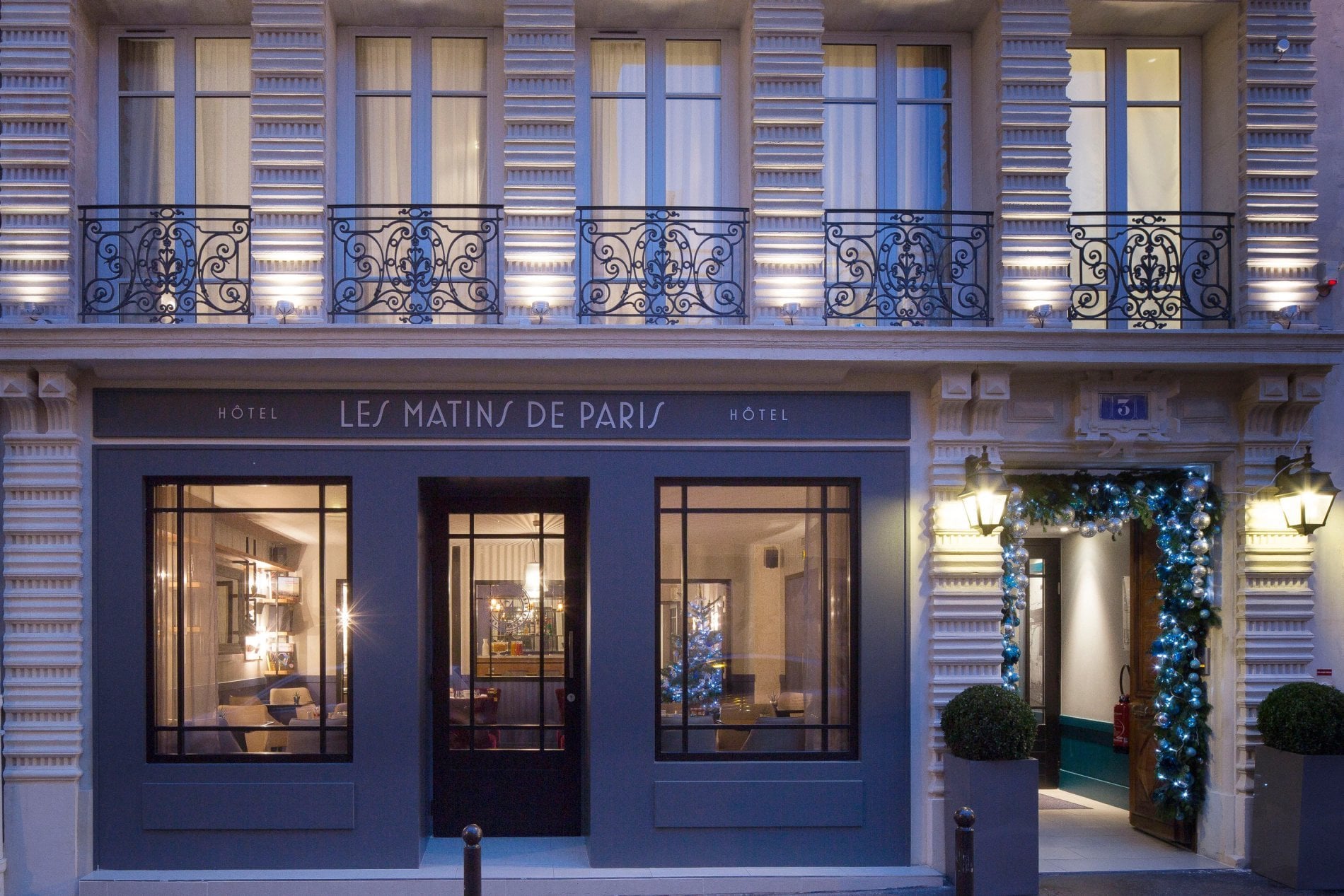
HÔTEL LES MATINS DE PARIS ****


BEST AVAILABLE RATE & -50% ON BREAKFAST WHEN BOOKING VIA OUR OFFICIAL WEBSITE

Looking for things to do in Pigalle during your travel to Paris? There is far more here than neon signs. This famous Parisian neighborhood blends the history of the Moulin Rouge with the café culture of its sloping streets, painters’ studios and a romantic museum tucked away at the end of a garden. Between Place Pigalle, Rue des Martyrs and the Butte Montmartre, every activity is within walking distance: a museum visit in the morning, coffee and shopping in a local shop, lunch in a classic French bistro or restaurant, a glass of wine or a cocktail at aperitif time, then a cabaret show, a club or a concert in a legendary venue after dark. This Pigalle neighborhood guide brings together the spots to discover, the addresses not to miss and the perfect place to stay in the heart of the 9th arrondissement: Hôtel Les Matins de Paris.

BOOK YOUR STAY AT HÔTEL LES MATINS DE PARIS


Top things to do in Pigalle: the must-see attractions of the district

— The Pigalle classics —

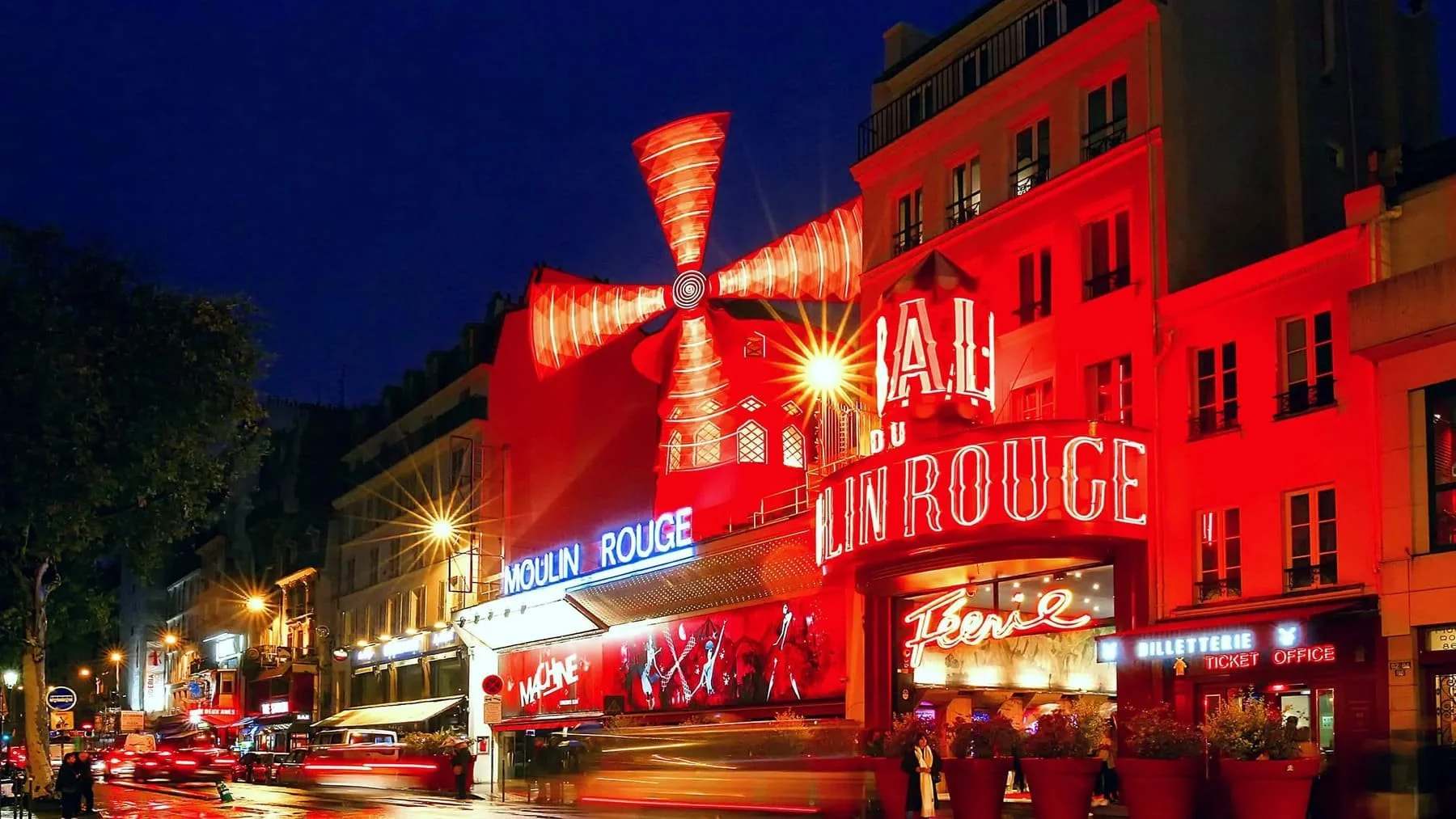
Among the best spots in the Pigalle district, start with Place Pigalle, named after the 18th-century sculptor Jean-Baptiste Pigalle. Then walk up the busy Boulevard de Clichy to the Moulin Rouge: its sails have been turning here since 1889, Toulouse-Lautrec painted its dancers, and this cabaret, known all over the world, still performs its revue and French cancan every night, an iconic part of Pigalle at night. Right next door, the Cité Véron forms a tiny cul-de-sac where Boris Vian and Jacques Prévert once lived, one of the quirkiest spots in the city, just steps from the crowds of the main boulevard.

For a long time, Pigalle carried a reputation as the red light district of Paris. Today’s Pigalle has kept its neon lights and vibrant nightlife, but it has found a new energy: delicatessens, florists, design, clothing and accessories shops, coffee shops and cocktail bars now line Rue Frochot, Rue Henry-Monnier and Rue Jean-Baptiste-Pigalle, while the guitar shops of Rue de Douai and Rue Victor-Massé recall the area’s musical past. Parisians renamed it SoPi, for South Pigalle, a trendy, slightly hipster slice of hip Paris where people come for the food of young chefs as much as for the terraces. Nearby, the Pigalle Duperré playground, a basketball court painted in bold street art colors, has become an iconic photograph of the neighborhood.

Also unmissable among the famous cabaret venues, Madame Arthur on Rue des Martyrs. Opened in 1946, this historic cabaret keeps the spirit of Parisian drag music hall alive in a more intimate and festive register than the grand revues. A perfect night out with friends, best booked ahead at the weekend.

— Art and heritage —

Museums and cultural venues: art and the history of Pigalle

South of the square lies the Nouvelle Athènes, a district developed in the 1820s where painters, writers and musicians of the Romantic era made their homes. Here, a few streets from the hotel, you will find the most charming cultural venues of the 9th arrondissement of Paris, carrying a rich artistic history that feels more intimate than the big museums in Paris.

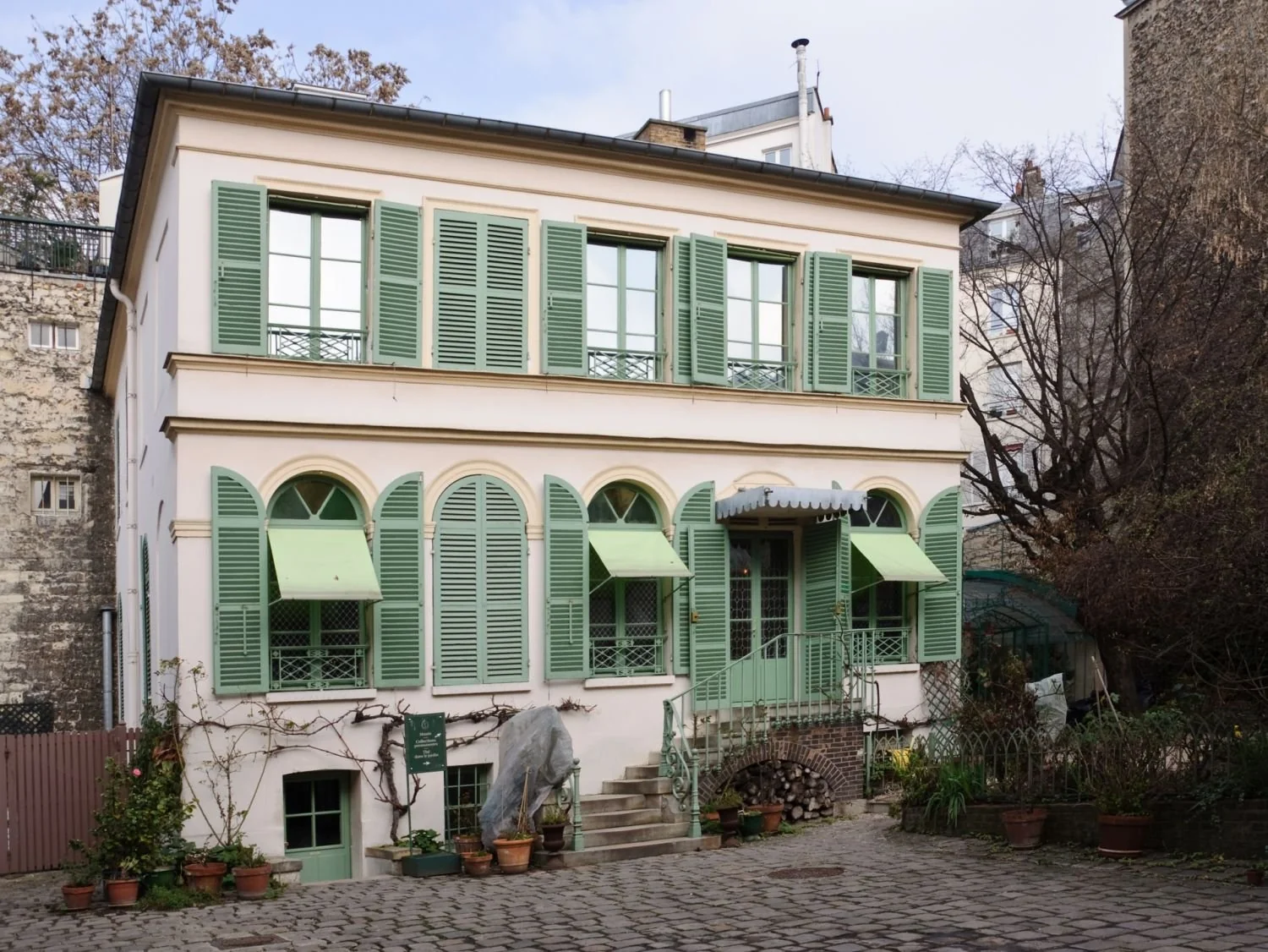
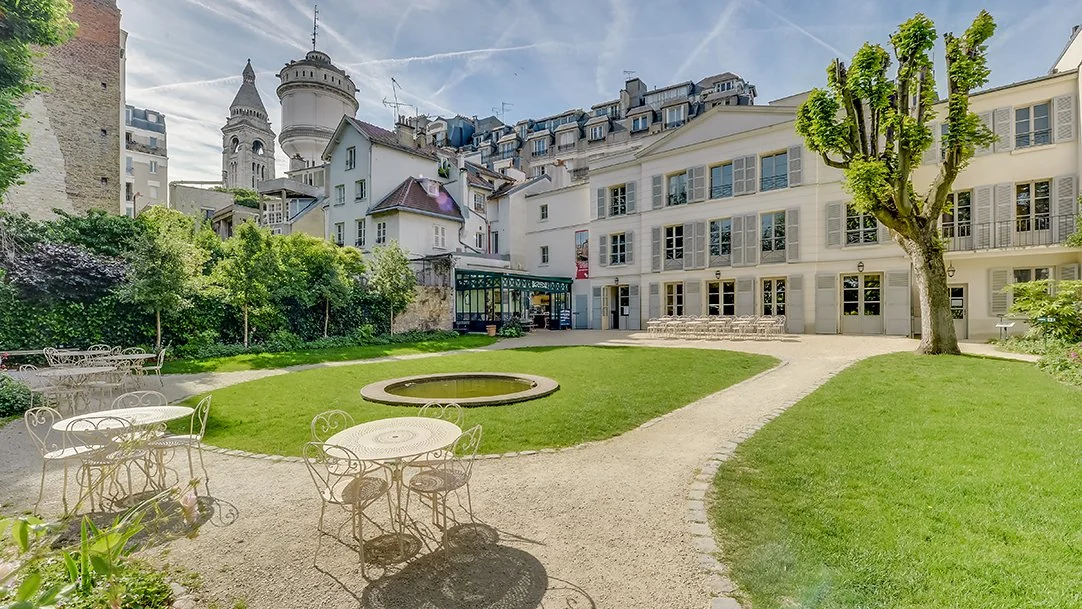
At the end of a cobbled lane on Rue Chaptal, the Musée de la Vie Romantique occupies the former home and studio of painter Ary Scheffer. Chopin, Delacroix and George Sand attended his salon, and the museum now holds portraits, mementos and personal belongings of the novelist. Admission to the permanent collections is free, and the garden, with its tea room set in the glasshouse, becomes one of the most peaceful spots in the capital on sunny days. The best time to come? Late morning, before the lunchtime rush. Close by, on Rue de La Rochefoucauld, the Gustave Moreau Museum opens up the home and studios of the Symbolist painter, linked by a spectacular spiral staircase. Art lovers discover hundreds of canvases and thousands of drawings hung close together, just as Gustave Moreau wished. A unique experience, ideal on a rainy day and far from the usual tourist trail.

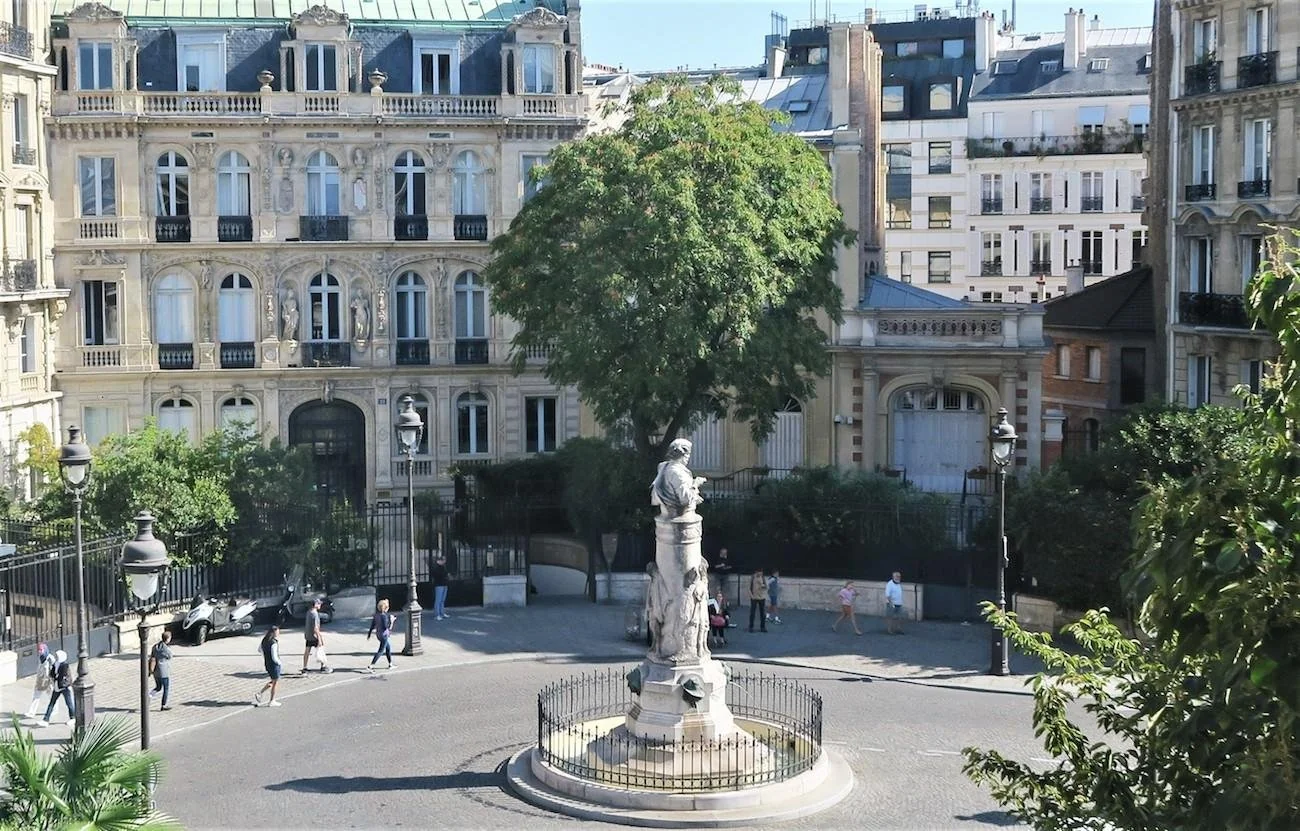
Further down, Notre-Dame-de-Lorette Church, completed in 1836, gave its name to the “lorettes”, the elegant, free-spirited young women of the 19th century who brought the district to life. Place Saint-Georges, for its part, lines up its neo-Renaissance façades around an old fountain topped with a bust of Gavarni, a one-minute detour from the metro station of the same name.


— BUSINESS MEETINGS —

THE BROCHURE

After dark —

Nightlife & bars: concert venues and live music in Pigalle

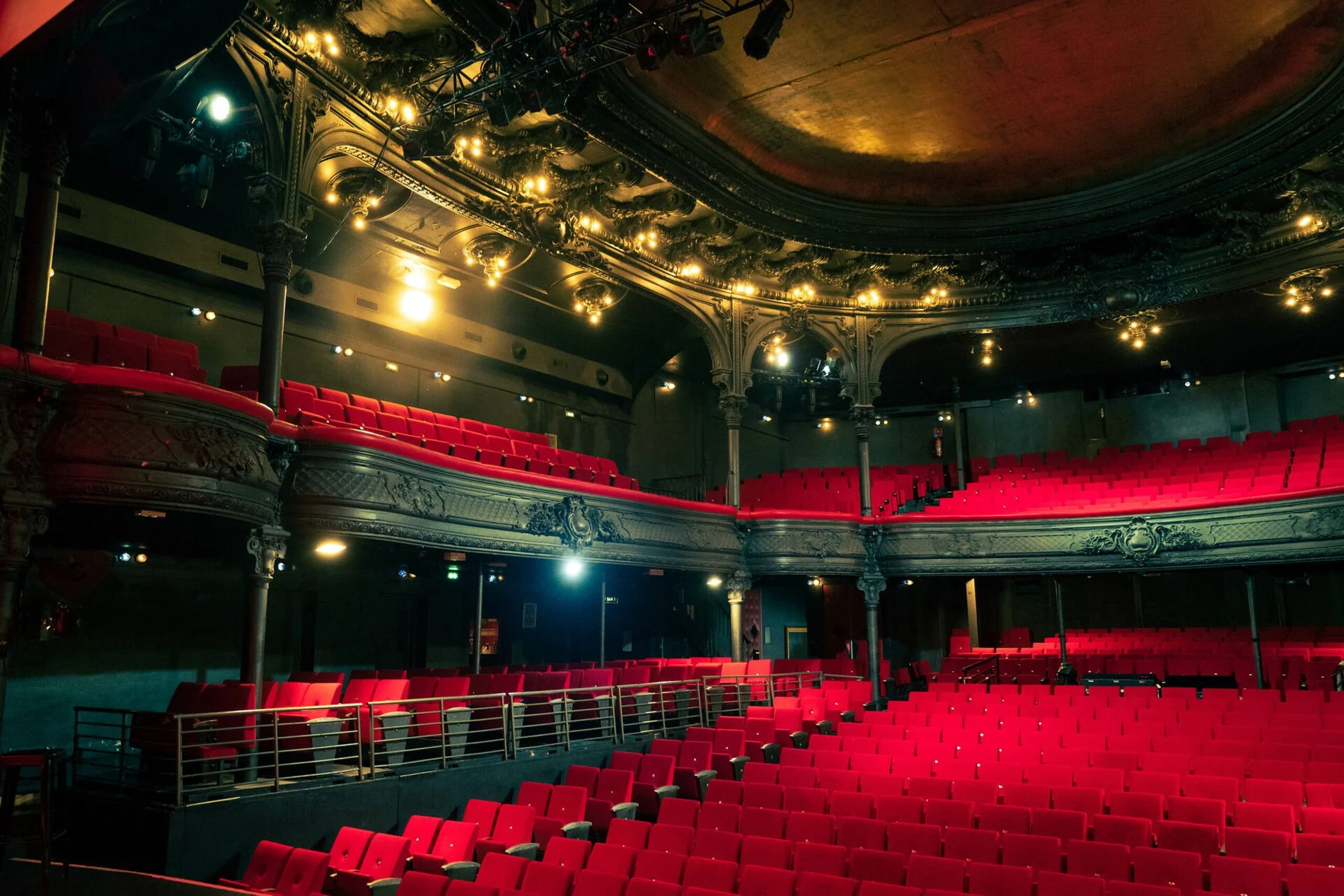
Pigalle offers countless ways to spend the evening, and it often all starts on Boulevard de Rochechouart. La Cigale, opened in 1887 and redesigned by Philippe Starck, and its neighbor Le Trianon, with its theater balconies, are among the most popular concert venues in Paris for pop, rock and electro. Not far away, the legendary Bus Palladium wrote a chapter of French rock and roll history from the 1960s, and a little further south, the Folies Bergère still carry the spirit of the music hall. After the concert, the neighborhood’s clubs take over until the early hours, making Pigalle a natural address for events and nightlife.

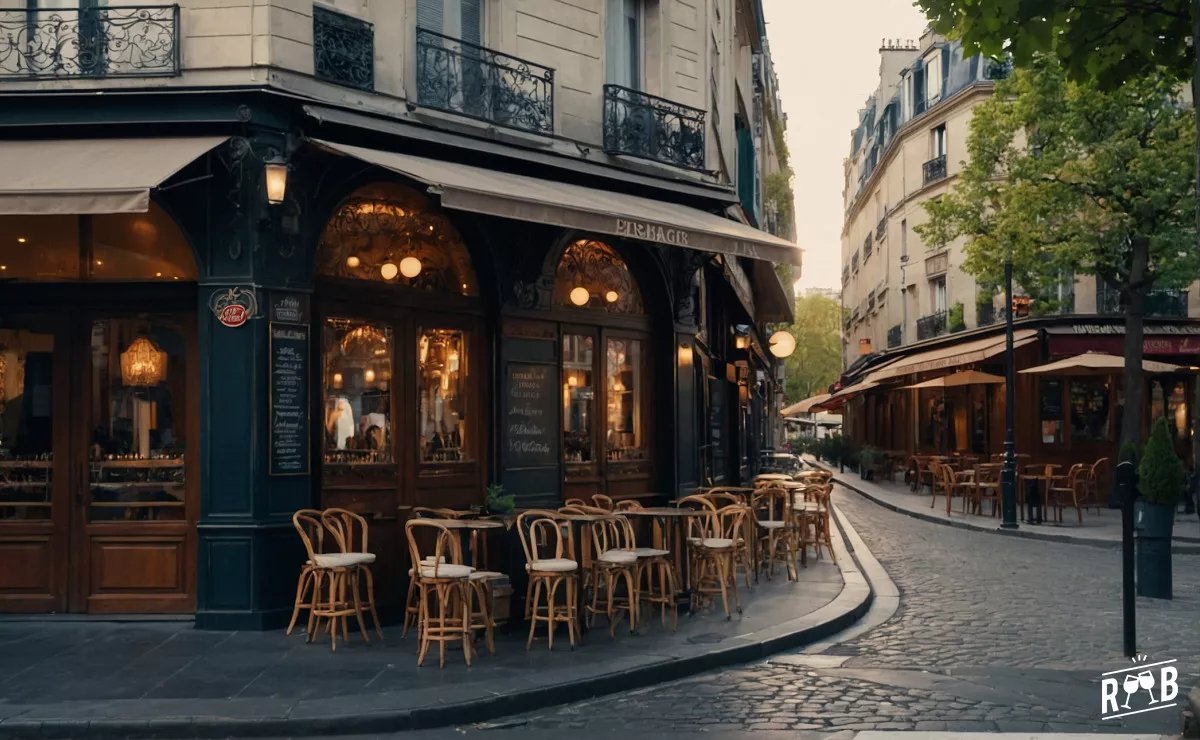
What we love about Pigalle is how easily you move from one bar to the next. Every type of cuisine has its table here: a classic Parisian bouillon, a bistro, tapas, world food or a chef’s restaurant for a more refined dinner. Prices often remain affordable, the welcome is friendly, and a good idea is to arrive around 7:00 PM, when the terraces come alive without being taken by storm. This is where to eat and drink to enjoy Pigalle like a local, far from the usual bars in Paris.

Fancy a quieter evening? Studio 28, on Rue Tholozé, has been showing movies since 1928. This neighborhood cinema, whose lights were designed by Jean Cocteau, witnessed the scandal of Buñuel’s L’Âge d’or in 1930. The theaters and small stages of the Butte also round out the evening’s cultural offer.


The Butte on foot —

From Rue des Martyrs to the heart of Montmartre: a charming stroll

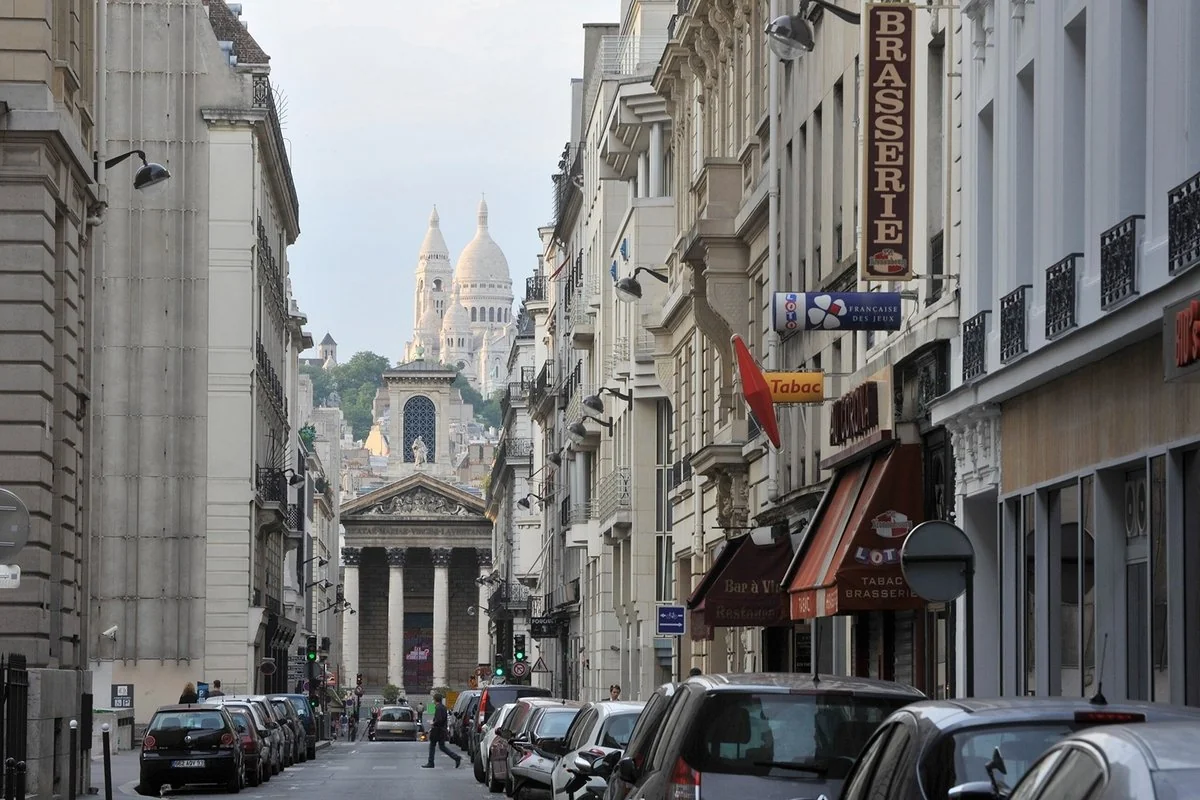
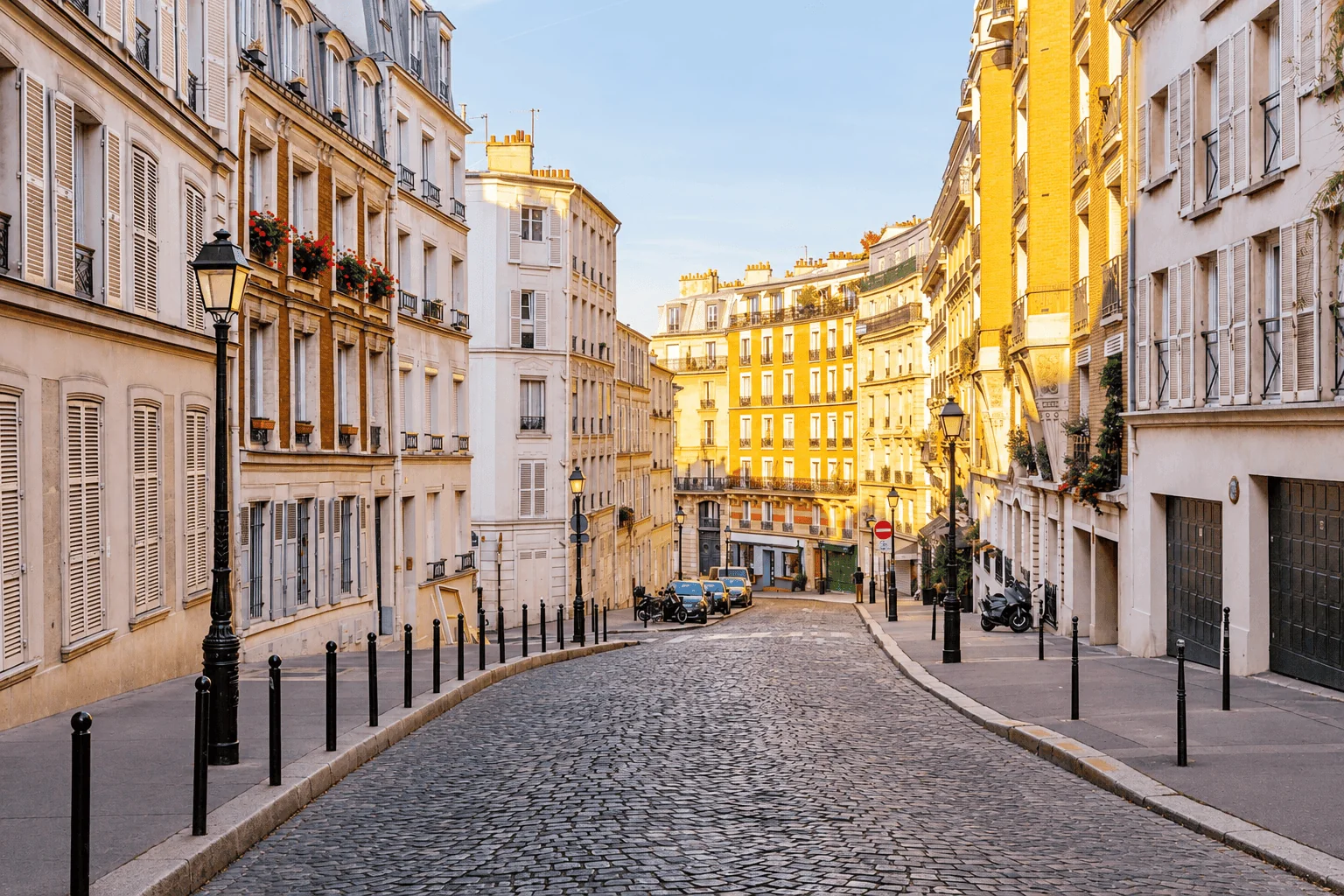
To see another side of Paris, this quirky walk starts on Rue des Martyrs. A boulangerie, pastry shops, cheesemongers, cafes and local shops follow one another along a slope linking Notre-Dame-de-Lorette to Boulevard de Rochechouart. Cross it and you are in Montmartre, in the 18th arrondissement (75018 Paris). Via Rue des Abbesses, you reach Place des Abbesses, whose metro station keeps one of the last two Guimard entrances still crowned with their glass canopy, and a little higher up, the Bateau-Lavoir recalls the time when Picasso painted Les Demoiselles d’Avignon there, in 1907.

Then climb Rue Lepic, the most famous street on the Butte. Van Gogh lived at number 54 with his brother Theo, and the Moulin de la Galette, which inspired Renoir’s Bal du moulin de la Galette, still overlooks the top of the street. This steep climb has also entered sporting legend: after the riders of the 2024 Olympic Games, the Tour de France peloton climbed it three times during the final stage, on July 27, 2025.

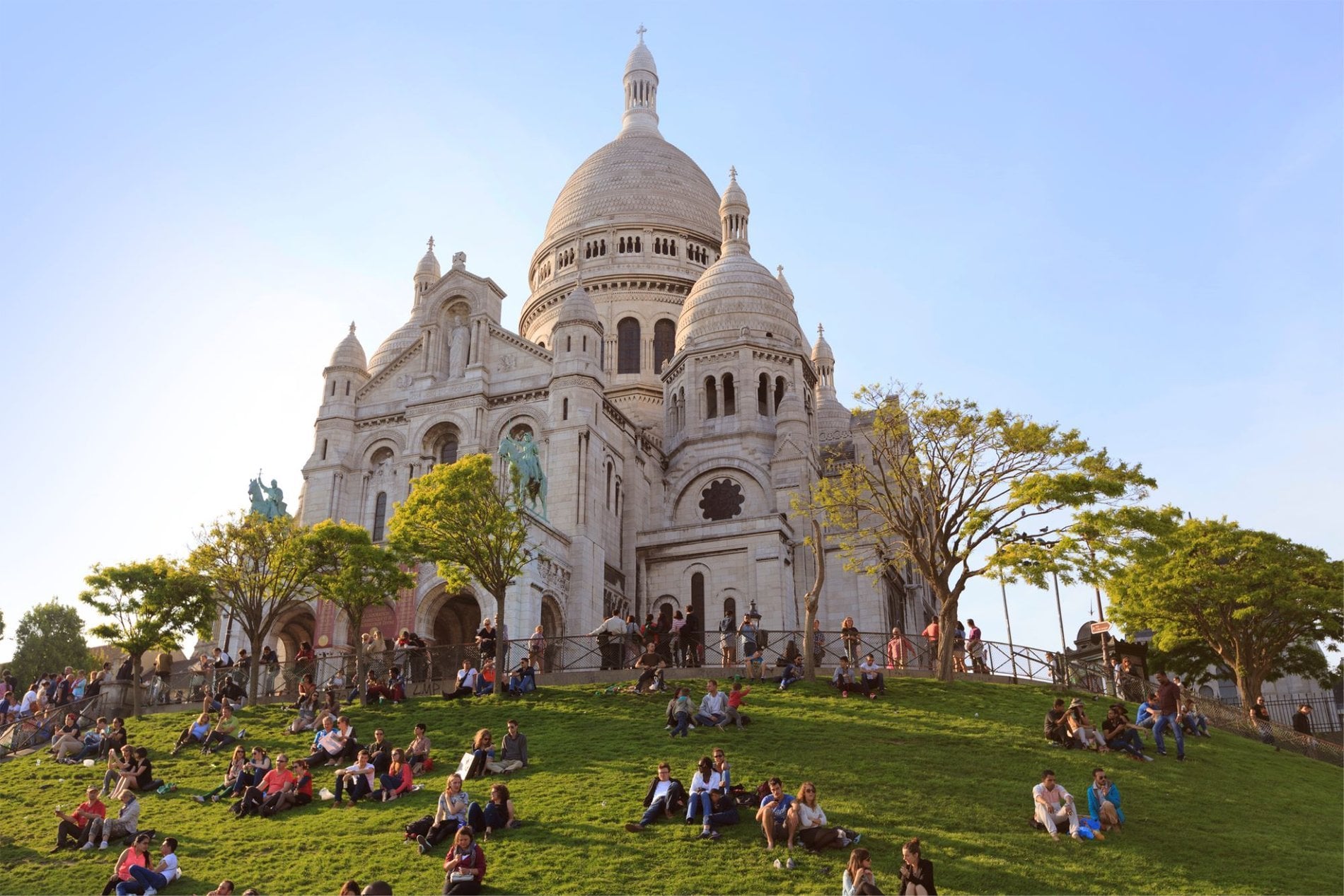
At the top, the Montmartre Museum, on Rue Cortot, occupies one of the oldest houses on the Butte, a 17th-century historic building where Renoir had his studio and where Suzanne Valadon and Maurice Utrillo lived. From there, a green route running from the Renoir Gardens to the Clos Montmartre vineyard reveals a true village of art and wine, as far as the Château des Brouillards, an elegant 18th-century folly, and the Lapin Agile cabaret. Every October, this vineyard becomes the center of the Grape Harvest Festival, one of the city’s great popular events. Sacré-Cœur Basilica and its panoramic view over the city crown this walking tour, a bohemian escape best explored in a morning. Guided walking tours, among the most popular tours in Paris, are another fun way of exploring Montmartre.


— BUSINESS MEETINGS —

THE BROCHURE

Getting around from Pigalle: metro, Paris bus and day trips

— Paris within metro reach —

Located in the north of the 9th arrondissement, the hotel is an excellent starting point, served by three metro lines. Saint-Georges station (line 12) goes directly to Gare Saint-Lazare, Place de la Concorde and Gare Montparnasse. From Pigalle, line 2 runs to Parc Monceau, the Arc de Triomphe and the Champs-Élysées, or towards Père Lachaise Cemetery. At Le Peletier, line 7 reaches the Opéra Garnier, the Galeries Lafayette, the Louvre Museum and the Marais District.

Above ground, Paris bus line 74 heads down to the Forum des Halles, Île de la Cité and Notre-Dame Cathedral, while line 40 climbs up to the Moulin Rouge and the Sacré-Cœur. A Vélib’ station stands on Rue Clauzel, and Belib’ charging points on Rue Milton for electric vehicles: a transport option for every plan.

Further afield, the major monuments reveal themselves on a cruise along the Seine, aboard boats gliding past the Eiffel Tower, or from a hop-on hop-off bus tour, with a Paris Pass in your pocket for the museums. Within metro reach, the Palace of Versailles makes a perfect day trip, and the Basilica of Saint-Denis, burial place of the kings of France, an easy afternoon. Summer or winter, though, it is to Pigalle that people come back, for a last evening outdoors on a terrace near the hotel.

— Your base in SoPi —

Experience Pigalle from Hôtel Les Matins de Paris

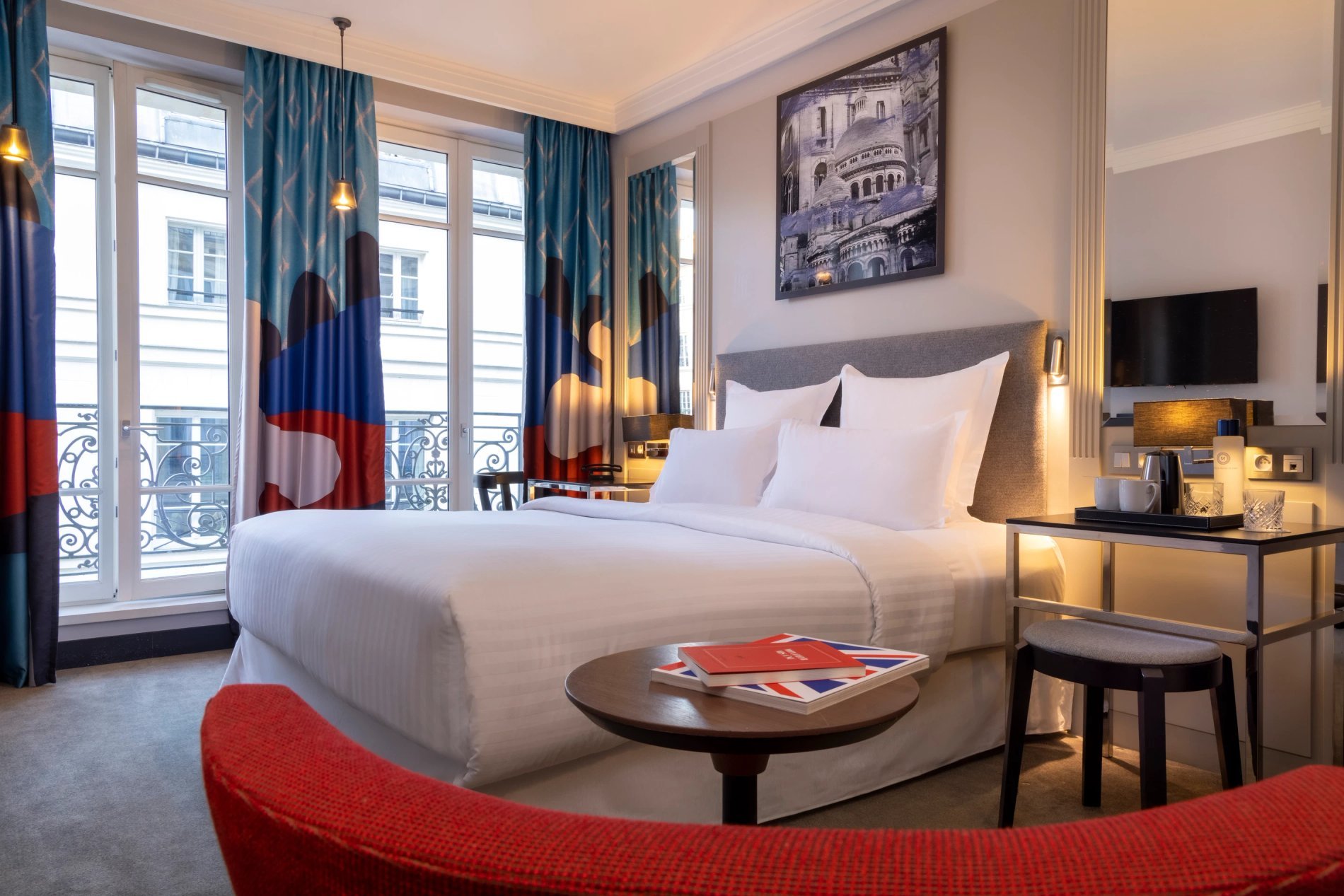
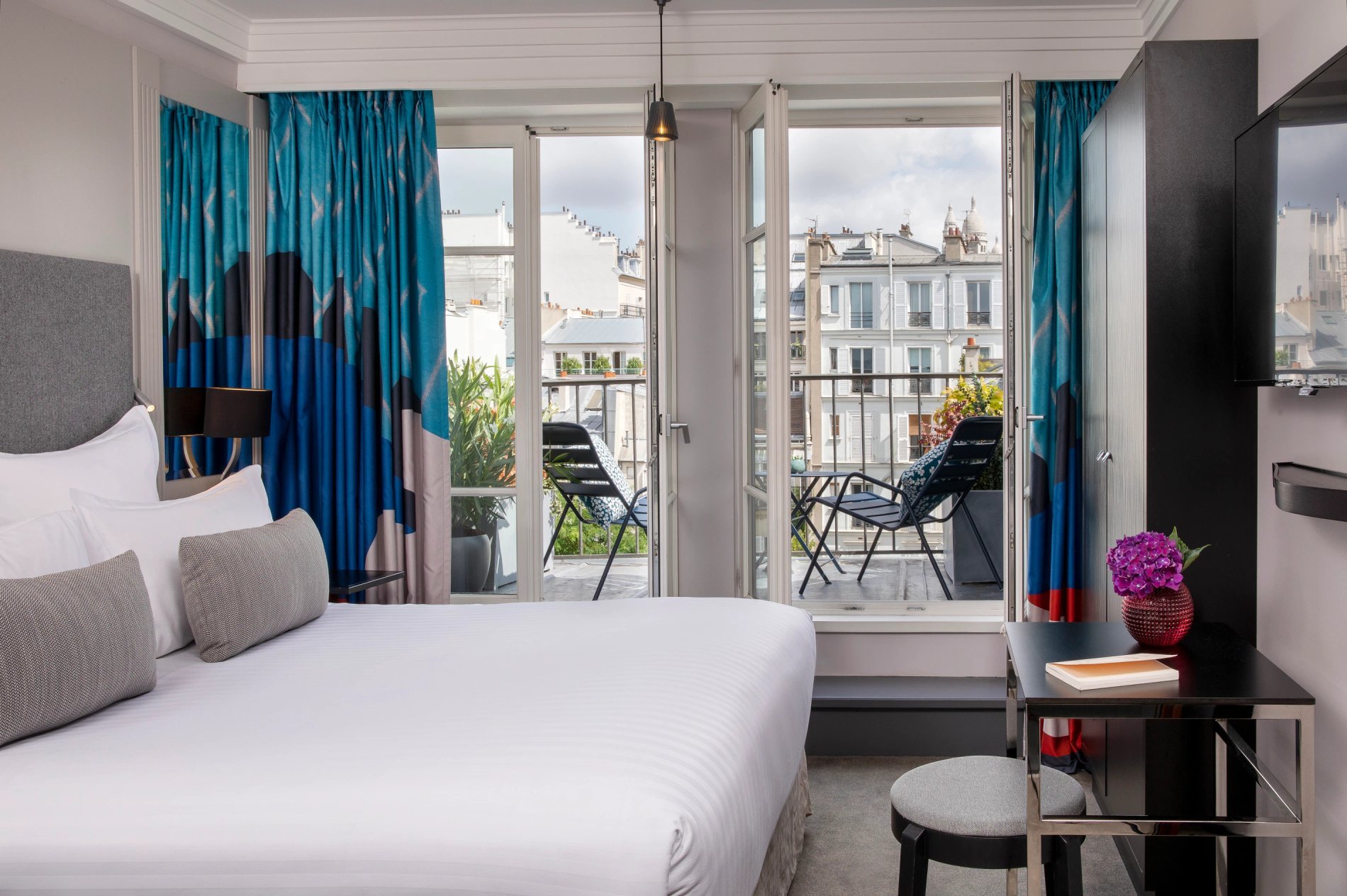
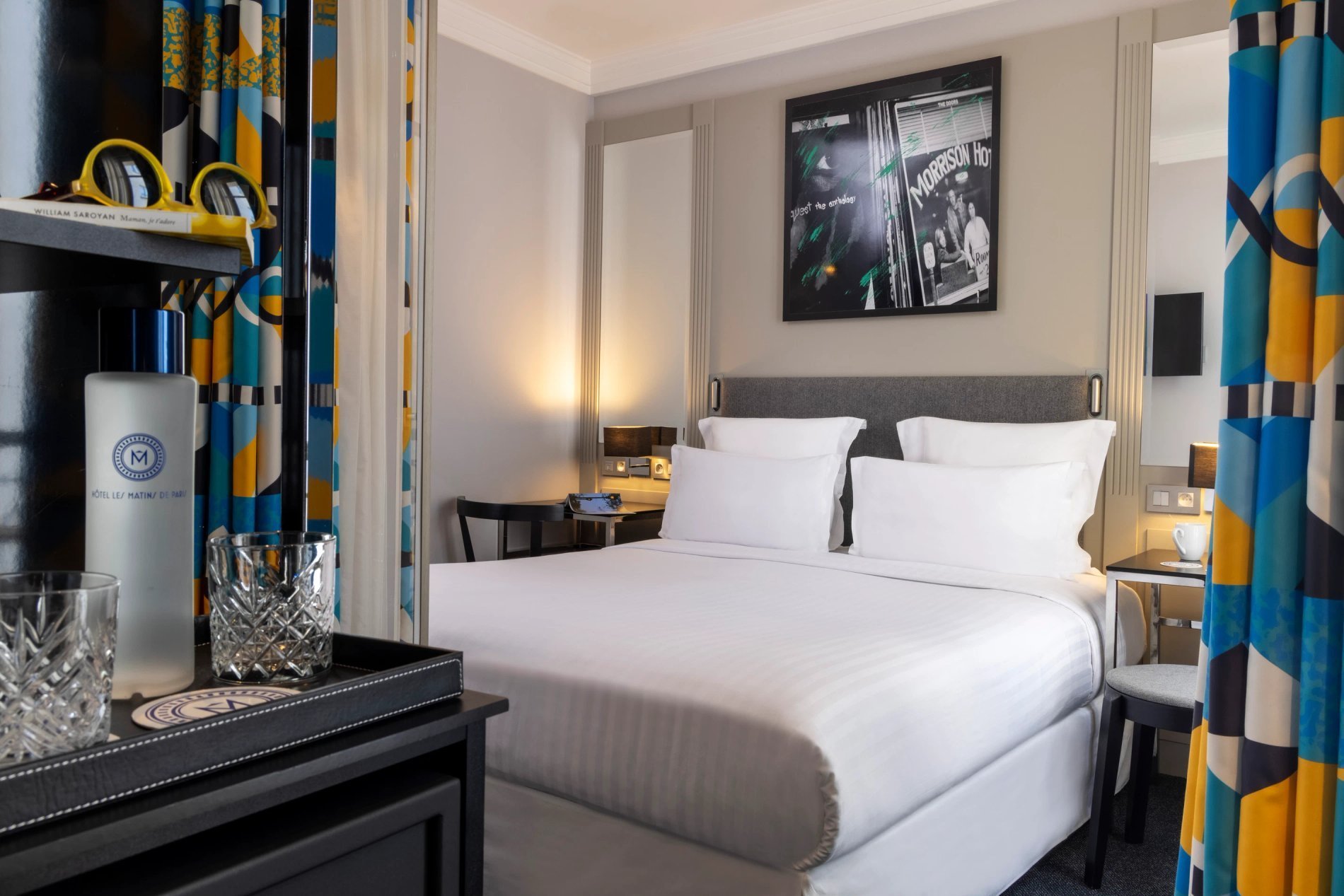
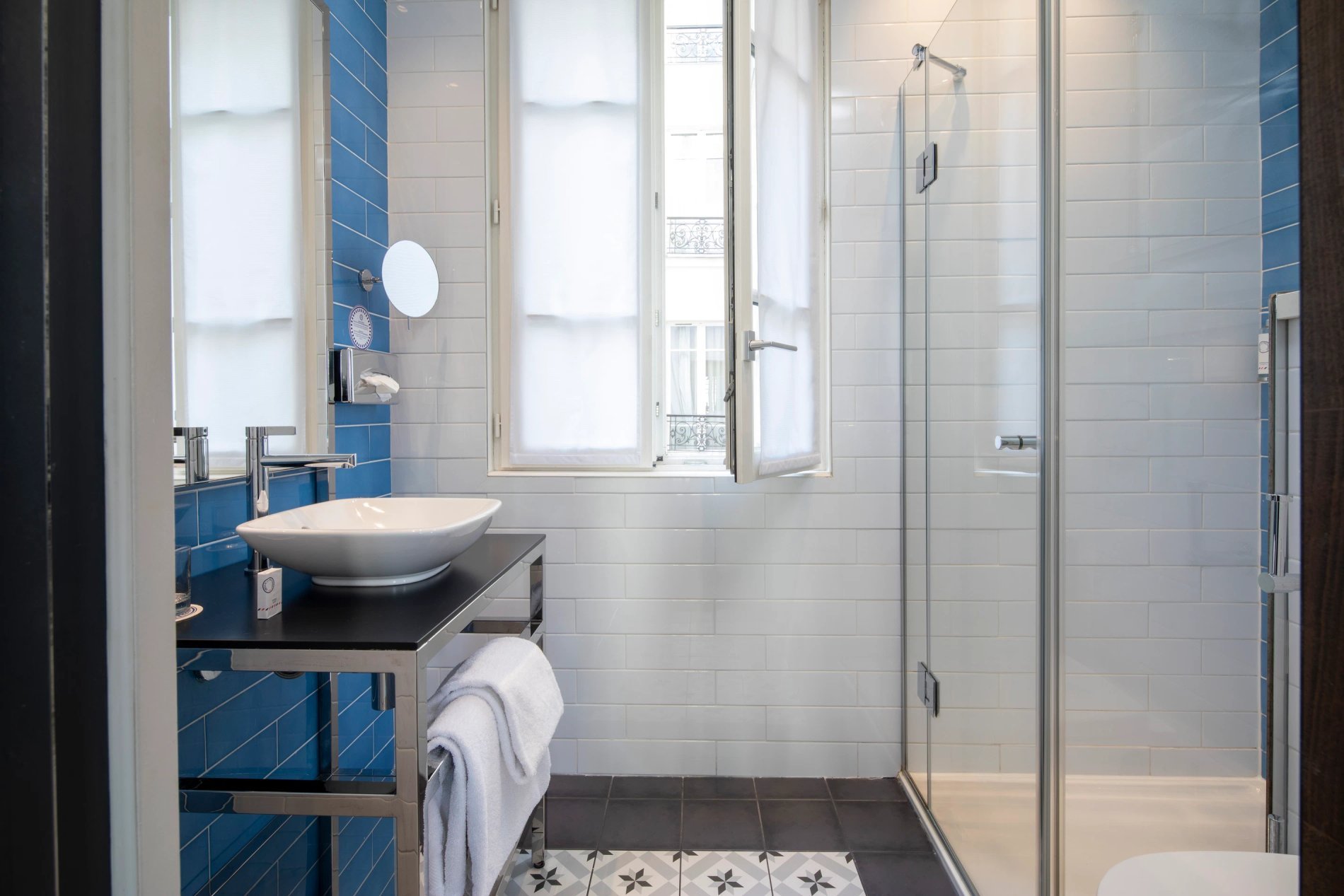
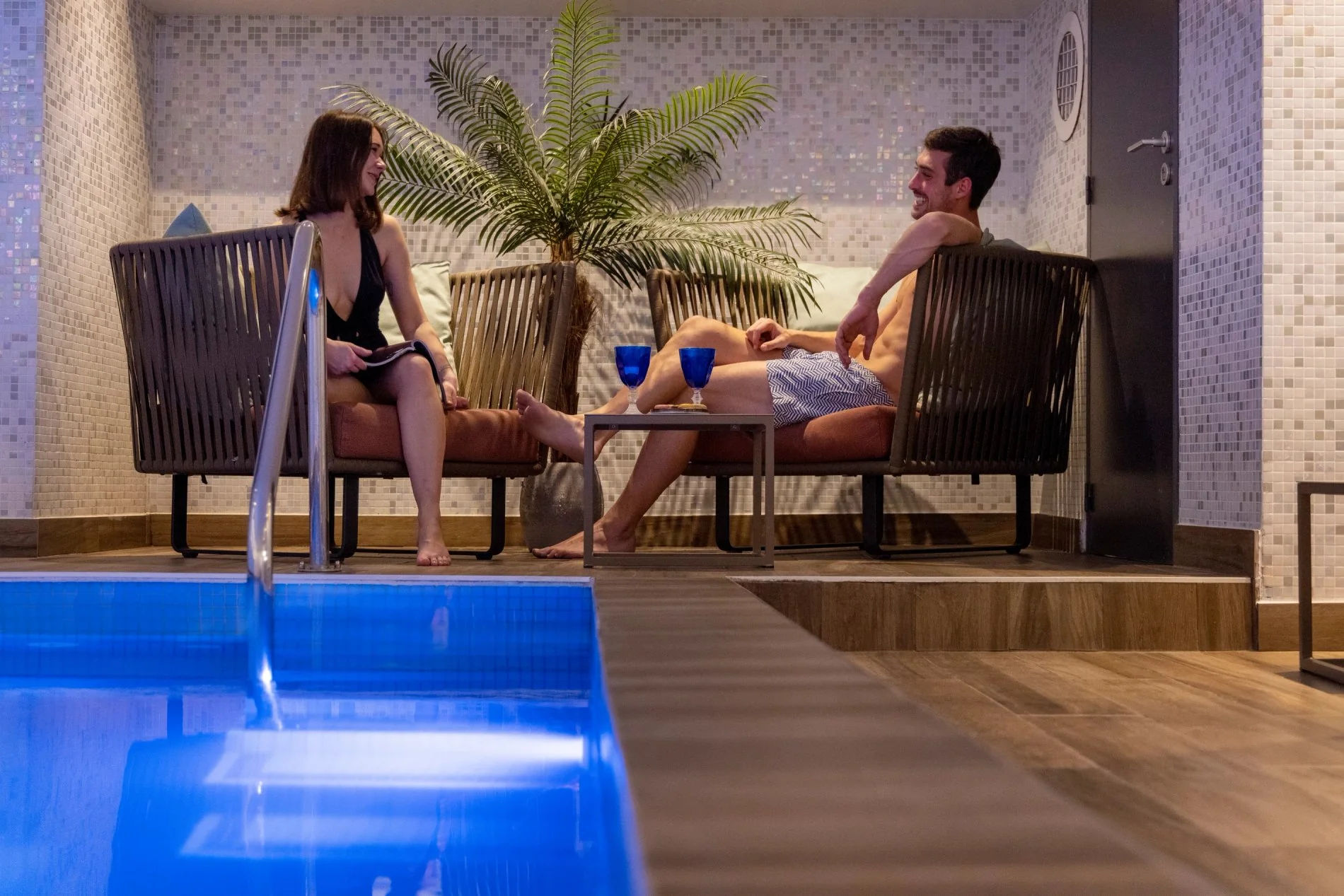
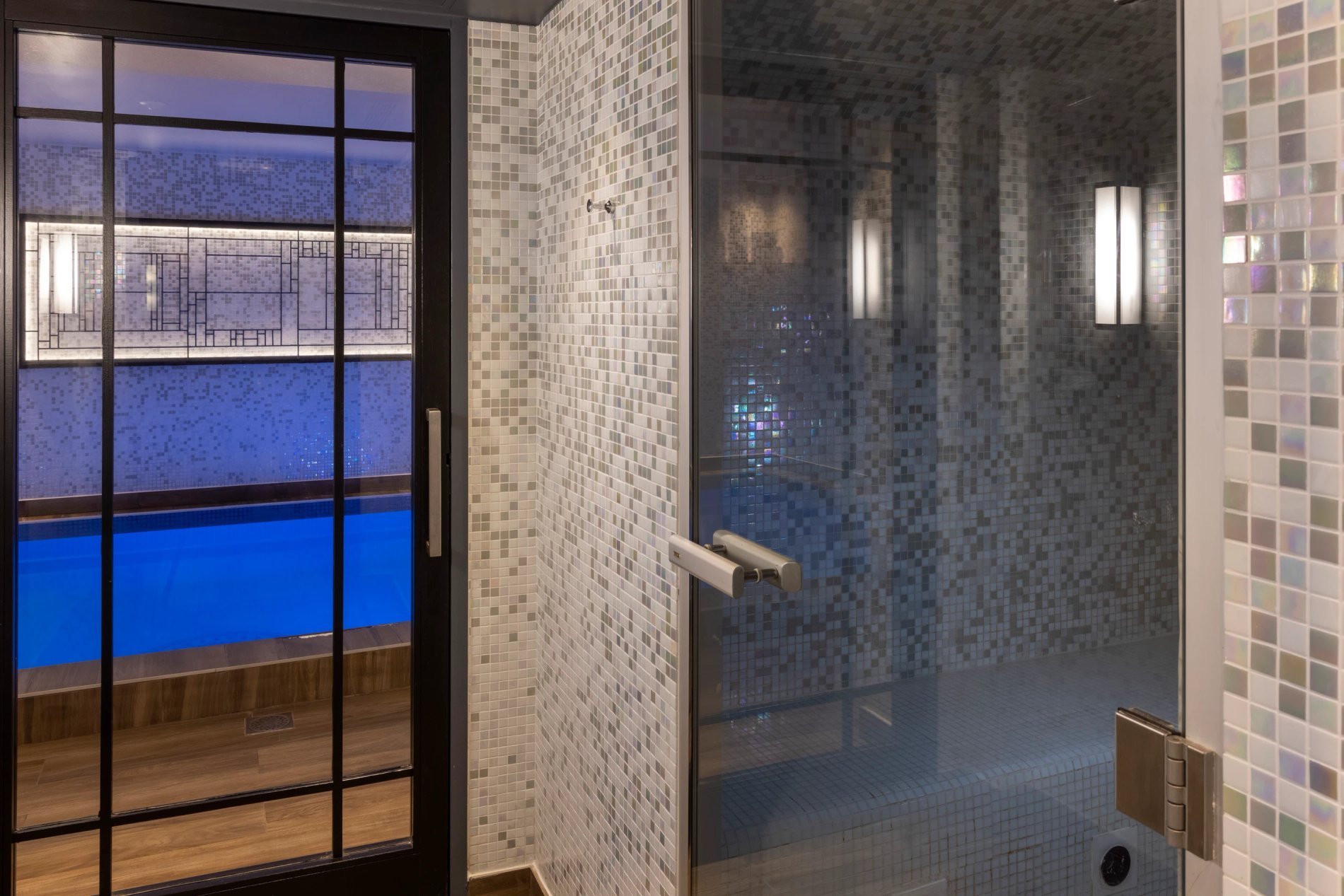
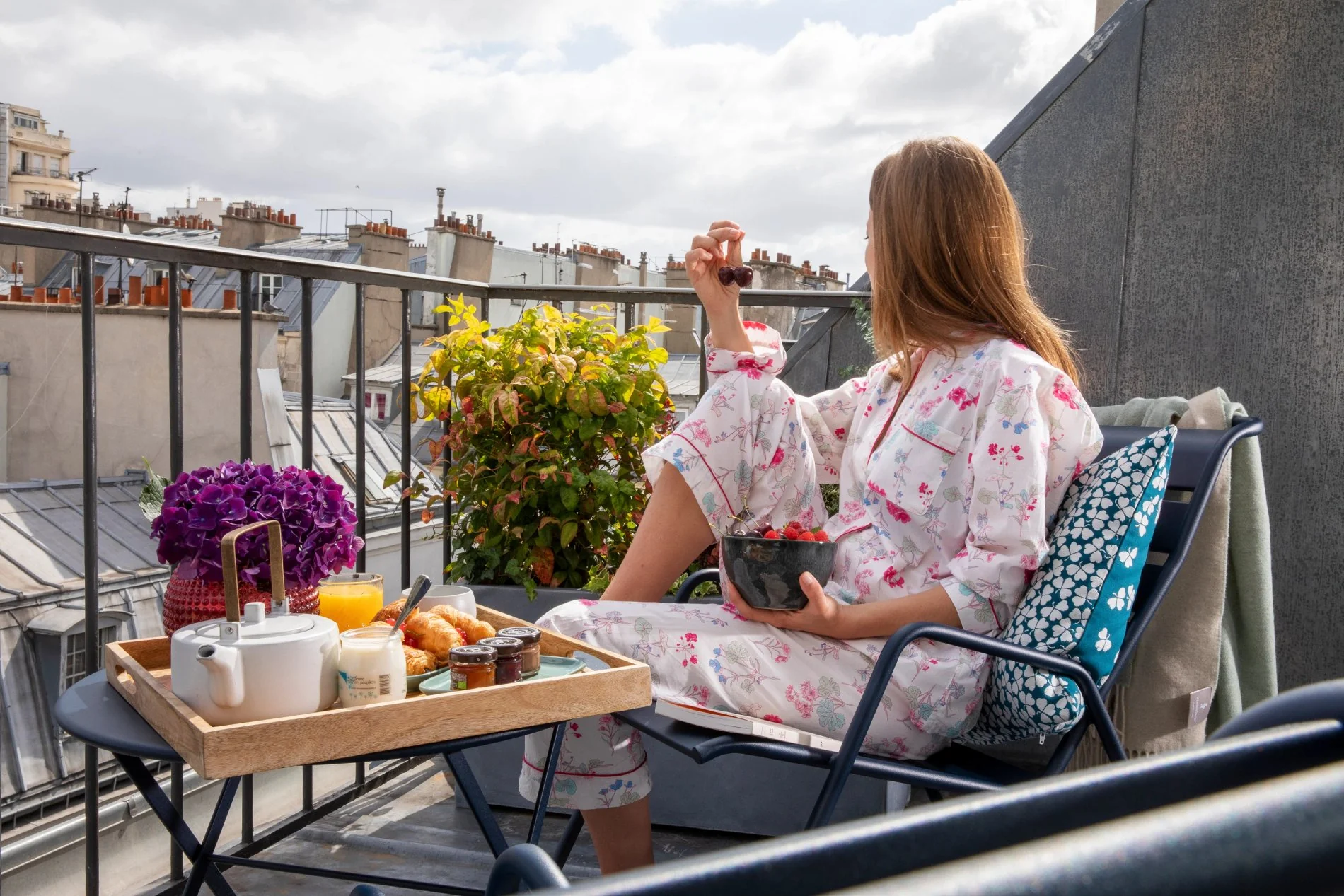
Century-old cabarets, intimate museums, an urban vineyard and concert venues: you can explore Pigalle in a day, yet choosing among the things to do in Pigalle is mostly about where to start. This vibrant neighborhood is best discovered walking in Pigalle, at the pace of a morning at the museum, lunch on a terrace and a lively night under the neon lights of the boulevard. Back on Rue Clauzel, Hôtel Les Matins de Paris awaits with a bright room, a moment at the spa and a memorable breakfast, an invitation to extend your stay.

Book your stay in the heart of Pigalle at Hôtel Les Matins de Paris

FAQ – Frequently asked questions about your stay in Pigalle

What to do in Pigalle at night?

At night, Pigalle shares its time between cabarets, concerts and bars. The Moulin Rouge and Madame Arthur stage their shows, La Cigale and Le Trianon host touring artists, and the cocktail bars of SoPi keep the streets lively until late. For a quieter evening, Studio 28 screens recent releases and classic movies.

What can you visit for free in Pigalle and Montmartre?

The permanent collections of the Musée de la Vie Romantique and its garden are free to enter. Notre-Dame-de-Lorette Church, Place Saint-Georges, the Cité Véron and Sacré-Cœur Basilica can also be visited without a ticket, as can the lovely stroll from Rue des Martyrs up to the Clos Montmartre vineyard.

Is Pigalle close to the Butte Montmartre?

Yes, Pigalle sits at the foot of the Butte Montmartre. From Place Pigalle, allow about ten minutes on foot to reach Place des Abbesses, then roughly the same again, uphill, to Sacré-Cœur Basilica. Metro line 2 and bus line 40 offer an alternative for reaching the top.

When is the Montmartre Grape Harvest Festival?

The Fête des Vendanges de Montmartre has been held every October since 1934, around the Clos Montmartre vineyard. The October 2026 edition, the 93rd, took place from Wednesday, October 7 to Sunday, October 11, with music as its theme, featuring a grand parade, a food and wine trail, a night run and a closing ball.

How to book a Pigalle hotel at the best rate?

Book directly on the official website of Hôtel Les Matins de Paris to enjoy the best available rate and 50% off breakfast. There you can display prices, check availability, read guest reviews and practical information, contact the team and explore the special offers, including the long stay offer from three nights.
Quick Response Code